How to Set Up Your First Garden in Houston (The Right Way)
Mar 29, 2026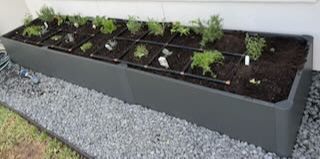
You've made the decision. You want a garden.
Maybe you've been thinking about it for months — eyeing that sunny corner of your backyard, or wondering if your apartment balcony could actually grow something. And now you're standing there thinking: where do I even start?
If that's you, this post is exactly what you need.
Most gardening advice you'll find online isn't written for Houston. It's not written for Zone 9b, Gulf Coast humidity, or clay soil that drains about as well as a parking lot. So let's fix that.
Here's how to set up your first Houston garden the right way — in five straightforward steps.
---
🎧 Prefer to listen? This post is based on the Vibrant Rainbow Gardens podcast episode "Beginner Houston Garden Setup: Start Here." Search for it wherever you listen to podcasts, or visit VibrantRainbowGardens.com to tune in.
---
## Step 1: Choose Your Garden Setup
Before you buy a single plant, you need to decide how you're growing. There are three main options — and the best one is simply the one that fits your actual life.
### Containers
Containers — pots, planters, grow bags — are ideal if you're renting, have a balcony or patio, or want to start small with low commitment. You get full control over your soil from day one, which matters a lot in Houston.
Two things to watch: containers dry out faster in our heat, so you'll need to water consistently. And always go bigger than you think — cramped roots mean struggling plants.
### Raised Beds
For most Houston families with yard space, raised beds are the sweet spot. They let you skip our notoriously difficult clay soil entirely by building up above it with a custom mix. They're manageable, productive, and get better every season as you add compost and organic matter.
If budget allows, this is what I recommend most often.
### In-Ground Planting
The most budget-friendly option — no materials to build or buy. But in Houston, in-ground planting requires real soil prep upfront. You can't just dig a hole and hope. You'll need to amend the clay significantly with compost before anything will thrive. Absolutely doable — it just takes more prep time.
> The best garden setup is the one that actually gets done. Pick the option that fits your real life right now.
## Step 2: Fix Your Soil First
This is the step most beginners skip — and it's the reason most first-year Houston gardens disappoint.
If your soil isn't right, nothing else works.
Houston's native soil is heavy clay. It compacts, drains poorly, and suffocates roots. The good news: this is completely fixable.
Here's what to use based on your setup:
- Raised beds: Use a quality raised bed mix — roughly 60% topsoil, 30% compost, plus some perlite or coarse material for drainage. You can buy pre-blended or mix your own.
- Containers: Always use a potting mix or container mix, never garden soil. Garden soil compacts in pots and chokes roots.
- In-ground: Till your native soil and work in several inches of compost throughout the top foot. Plan to repeat this every season as you build up organic matter over time.
Whatever your setup — compost is non-negotiable. It feeds your soil biology, improves drainage, and makes everything else work better. Think of it as the foundation, not the finishing touch.
## Step 3: Read Your Sunlight — Houston Style
Most vegetables need 6–8 hours of sun per day. Standard advice. But in Houston, sunlight isn't just about hours — it's about intensity.
Our afternoon sun from late spring through early fall is genuinely harsh. Plants that thrive in afternoon sun in other parts of the country will stress and bolt here.
Morning sun (east-facing spots) is your best friend. It's gentle, energizing for plants, and doesn't carry the heat load that afternoon west sun does. When scouting your garden location, prioritize east or southeast-facing spots.
Before you commit to a spot, do this: watch your space for one full day. Set a reminder every couple of hours and observe. Where's the sun at 9am? What's shaded by noon? What does it look like at 3pm?
This one step will save you enormous frustration later.
## Step 4: Plan Your Layout With Airflow in Mind
Houston's humidity makes airflow a survival issue for your plants — not just a nicety. When plants are crowded together, air can't circulate. And stagnant air in our climate is where fungal disease begins.
Powdery mildew, leaf spot, and root rot often trace back to overcrowding, not bad luck.
A few layout principles that work well in Houston:
- Place taller plants on the west or north side of your bed so they provide some afternoon shade for shorter, more heat-sensitive crops.
- Think in clusters, not rows — three well-spaced basil plants will outperform ten crammed together.
- Leave yourself a clear path to reach every part of your bed without stepping on plants.
- When in doubt, follow the spacing on the plant tag — and in Houston's humidity, lean toward more space, not less.
## Step 5: Plant a Simple, Balanced Mix
Your first garden doesn't need to be complex. Simpler is actually better. Rather than picking plants randomly, think in categories:
- Fast growers (lettuce, spinach, leafy greens, green beans) — quick wins that keep you motivated while slower plants get established.
- Herbs (basil, cilantro, chives) — beginner-friendly, useful in the kitchen, and generally forgiving.
- 1–2 fruiting plants — peppers are fantastic in Houston heat; bush beans are a great early-season pick. Don't try to grow six different vegetables at once.
- Flowers (marigolds and zinnias) — they attract pollinators, deter pests, and make the garden a more joyful place to be.
You're building a small, intentional ecosystem — not just filling space. This approach gives you variety, resilience, and something to harvest at multiple points in the season.
## Your Weekend Start Plan
Ready to stop planning and start planting? Here's exactly what to do this weekend:
- Pick your space — find the spot with the best morning sun.
- Choose your setup — container, raised bed, or in-ground. Decide and commit.
- Get your soil right — buy what your setup needs. Don't skip this step.
- Observe one full day of sunlight before placing anything.
- Plant a simple mix — fast growers, herbs, one or two fruiting plants, and a flower.
> You don't need a perfect garden. You need a smart setup — and now you have one.
## Quick Mistakes to Avoid
- Going to the nursery without a plan — you'll come home with plants that don't fit your space or season.
- Skipping soil prep — great plants in bad soil will always underperform.
- Misreading your sunlight — watch your space across a full day before committing to a location.
Most first-year garden problems are setup problems, not plant problems. Get the foundation right and everything else gets easier.
---
## Not Sure Where to Start? Let's Figure It Out Together.
If you're ready to build your garden but want some help making the right choices for your yard and your life, here are a few ways I can support you:
### Take the Free Quiz
Not sure whether containers, raised beds, or in-ground is right for you? The free Vibrant Rainbow Gardens quiz is designed specifically for Houston gardeners and gives you a personalized starting point in about two minutes.
👉 VibrantRainbowGardens.com/quiz
### Listen to the Full Episode
This post covers the key steps, but the full podcast episode goes even deeper — including specific plant recommendations for Houston beginners and a more detailed walkthrough of each step.
Search "Vibrant Rainbow Gardens" wherever you listen to podcasts.
### Work With Me 1:1
Ready for a personalized garden plan built around your specific yard, lifestyle, and goals? In my one-on-one coaching program for Houston-area gardeners. We'll map out your setup, your soil, your plant selection — everything.
👉 VibrantRainbowGardens.com/services1