
Surviving Summer in Your Houston Garden: Heat, Pests & What to Actually Do
Jul 01, 2026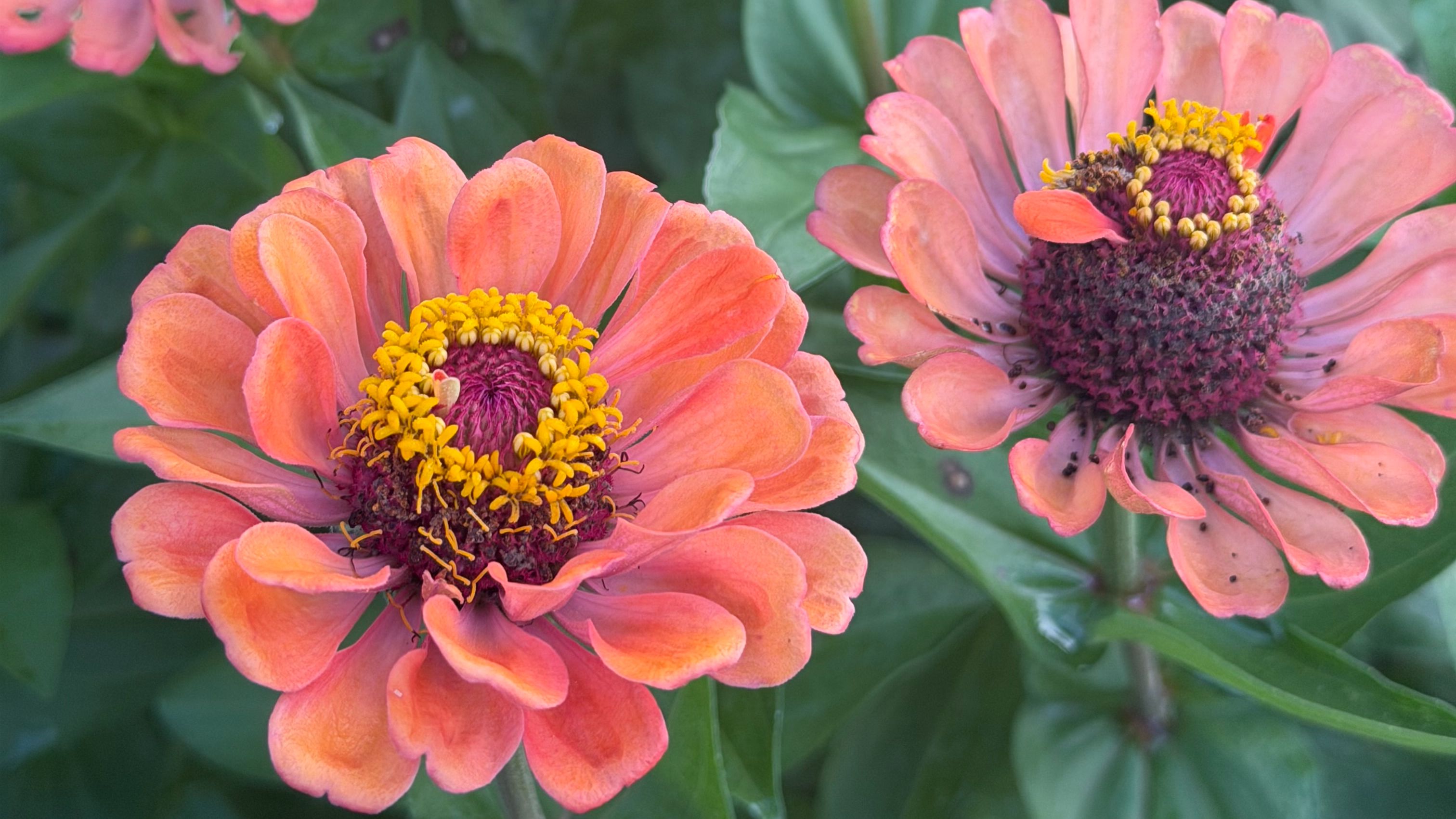
If your garden looks rough right now — wilting by afternoon, a few chewed leaves, something on the underside of a leaf you don't recognize — you're not alone, and you're not doing it wrong. This is simply what a Houston summer does, even to a well-tended garden. Here's what's actually going on, and what's worth your attention versus what just needs to be ridden out.
Why Houston Summer Hits Beginners Hard
Once daytime temperatures push into the mid-90s, plants like tomatoes and peppers stop setting fruit — a protective response called blossom drop. Soil dries out faster, and leaves can wilt by afternoon even with plenty of water in the ground, simply because the plant can't keep up with how much moisture it's losing through its leaves.
None of this is a disease, and none of it means you've failed. Most gardening advice online is written for climates where summer is the easy season. In Houston, summer is the test — and every gardener here is facing the exact same conditions.
Heat Survival: Watering, Mulching, and Permission to Rest
A few adjustments make a real difference through the hottest stretch of the year:
- Water deeply, not daily. Two to three deep waterings a week, ideally before 9am, push roots downward where moisture lasts longer and reduce water lost to evaporation.
- Mulch generously. A 2-3 inch layer of organic mulch keeps soil temperatures down and slows evaporation — just keep it a couple inches clear of plant stems to avoid trapping moisture against them.
- Let some things rest. If your tomatoes have stopped producing, that's blossom drop, not failure. Pulling spent spring crops and letting a bed rest under mulch is a valid summer move, not a missed one.
Building a Pest-Resistant Garden From the Start
By the time a pest is visible, prevention has already happened — or it hasn't.
- Airflow and spacing reduce the humid, crowded conditions pests thrive in.
- Healthy, well-fed soil produces plants resilient enough to shrug off pressure that would devastate a stressed plant.
- Diversity beats monoculture, since a bed of all one crop is an easy target.
- Beneficial insect habitat — flowers like zinnias, marigolds, and dill — needs to be established early, before pest pressure hits, so the garden's natural predators are already in place.
The Houston Summer Pest Lineup
Here's what you're likely looking at this time of year:
- Aphids — tiny, soft-bodied insects clustered on new growth and leaf undersides, often with a sticky residue and curling leaves.
- Spider mites — fine webbing and stippled, yellowing leaves, especially on eggplants and tomatoes. They thrive in hot, dry conditions.
- Squash vine borer — a vine that wilts despite adequate water, with sawdust-like frass near the base of the stem.
- Caterpillars — chewed leaves and visible droppings, often appearing in a wave after heavy rain triggers moth and butterfly activity.
- Whiteflies — tiny white insects that cloud up when the plant is disturbed; check the undersides of leaves.
An Organic, No-Spray-First Approach
Rather than reaching for neem oil as a default, my method follows three steps, in order: identify, invite, and intervene physically.
Correct identification matters because the wrong treatment for the wrong pest can do more harm than good — including to the beneficial insects doing the work for you. Inviting beneficial insects means leaning on nature's own pest control rather than working against it. And physical control — hand-picking, a strong spray of water, removing the most affected leaves — handles a large share of pest problems without a single product.
Spraying anything is the last resort, not the first move.
Sometimes the Right Move Is Letting Go
Squash vine borer is one of the toughest pests to beat once it's inside the stem — by the time a vine wilts, the damage is often already done. The real opportunity is catching the early signs — frass at the base of the stem, eggs along the lower stem in early summer — before the larva ever tunnels in.
And when that window's missed, the most advanced move isn't saving the plant. It's letting it go and replanting something else.
Want the Full System?
This episode covers the what. The full, season-by-season pest management framework — exactly what to plant, when to walk your garden for early warning signs, and which method matches which pest — is taught inside Vibrant Garden Experience, returning this fall. If you're a DIYer ready for a more supported jumping-off point, the waitlist is open now.
Prefer to hand the whole thing off instead? Garden installs and one-on-one coaching packages are also opening Fall waitlist spots — reach out to talk through what that could look like for your space.
Not ready for either step yet? Start with the free GrowSona Quiz to get a feel for where your garden stands.
The more gardens we grow, the more vibrant our communities become.