Hang In There: Planning & Prepping Your Fall Garden in Texas this September
Sep 20, 2026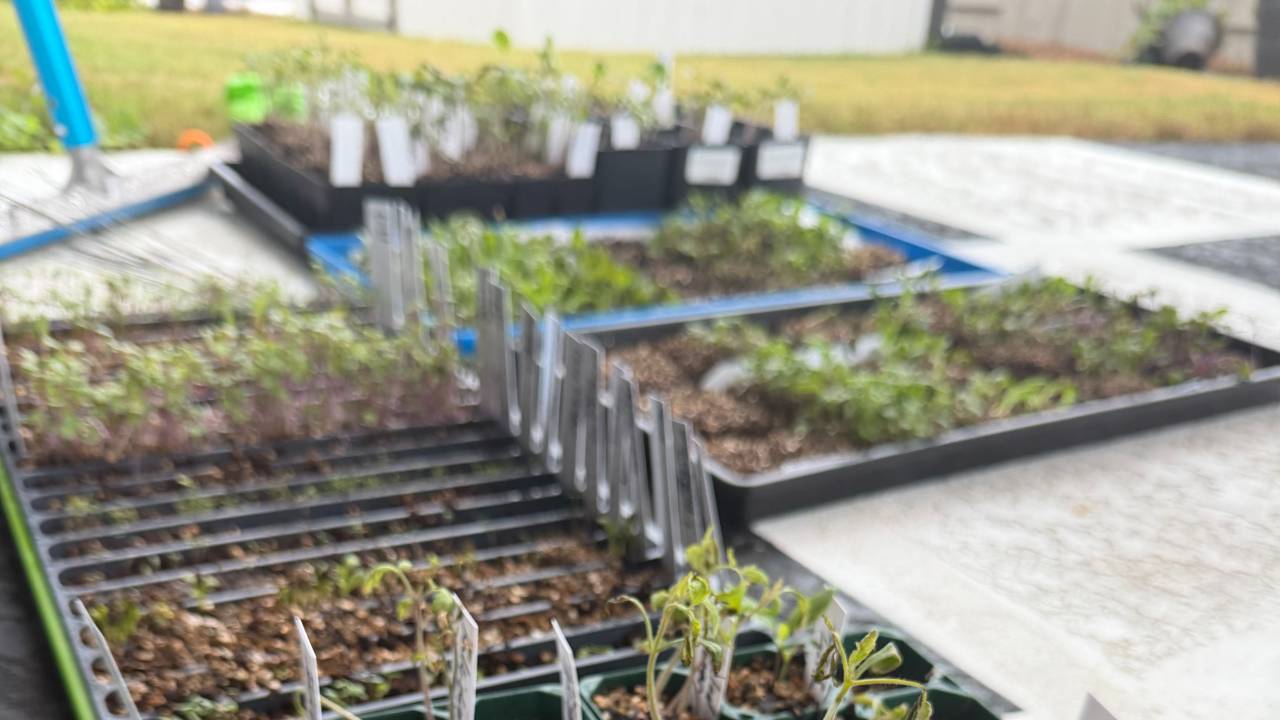
Every September, I hear the same thing from tired Houston gardeners: "I don't have the energy for this anymore." The heat wipes everyone out, and by the time fall rolls around, patience runs thin. Here's the good news — hang in there, fall is right around the corner. Right now, September is really about planning and prepping for your fall planting. We're not quite into the true set it and forget it crops yet (that's coming soon), but there's real work to do right now to get ready.
First, a quick last call: if you haven't planted your tomatoes, peppers, or eggplant yet, get an early variety (50–70 days to harvest) and buy quality transplants now — this is your last window before spring seed-starting season. September is also when brassicas like cauliflower, broccoli, cabbage, kale, and collards need to be started, but keep them as seeds indoors or in full shade until they've got some size — our sun is still strong enough to burn young seedlings.
This week, a lot of beans and flowers — borage, calendula, nasturtiums — are going into the ground, with a little afternoon shade to help the flowers through the remaining heat. Cabbage, kale, and rainbow chard are getting seed-started, and this year, saffron crocus is going in for the first time.
Once temperatures actually drop — hopefully mid to late September — that's the cue for potatoes; Red Norland, Yukon Gold, and Kennebec are reliable choices for our area. Garlic and onions come later than most people expect: garlic goes in around late October into November, and onions wait until December. Garlic also needs prep work before it ever hits the soil — it should be cold stratified (vernalized) in the fridge first, since the South doesn't naturally get cold enough for garlic to form a good bulb. Stratifying tricks it into thinking it's coming out of winter once it's planted, so it can grow steadily for the next six to seven months.
And strawberries are simply non-negotiable for a Houston fall garden.
September is also one of the best times of year to plant native plants and cold-hardy fruit trees — peach, plum, persimmon, and berries — so their roots can establish through our mild fall and winter instead of fighting summer heat.
It's planning season too, not just planting season. This year brought really high heat, and a lot of gardens are looking scorched. Take time this week to pull the burnt, dead, and barely-hanging-on plants, refresh the soil with good compost, and clear the slate for the season ahead.
If you're gardening outside the Houston/Gulf Coast area, the fall window still runs through September and October, but this year's lingering heat means leaning toward the later end of these windows and choosing heat-tolerant varieties — that's the real key to growing food successfully in Texas.
- Dallas / North Texas: hold brassica transplants until late September or early October, direct-sow mustard, collards, kale, and spinach as it cools, and wait on garlic until October.
- Austin / Central Texas: plan to plant out brassica transplants the last two weeks of the month, with root crops and greens going in by seed through September.
- San Antonio: push cole crops to late September or early October rather than early-month seeding, and hold garlic for October.
- East Texas: push brassica transplants and cole crop seeding to late September/early October, while carrots, beets, collards, turnip greens, lettuce, and spinach (planted in succession) can still go in through September.
Wherever you're located, your county AgriLife Extension office will have the most specific dates for your exact spot.
If you've never gardened before, or have been wanting to start, now is genuinely one of the best times of year to do it — not just to plant, but to actually enjoy being outside again as the nights cool down.
Quick recap: last call on tomato/pepper/eggplant transplants, brassicas started indoors or in shade, beans and flowers straight in the ground, cabbage/kale/rainbow chard seed-started, saffron crocus if you're trying something new, potatoes once it cools down, garlic stratifying now for a late October/November planting, onions in December, strawberries, fruit trees and natives, and clearing out the scorched summer garden.
Want a full seasonal system built out for you — exactly what to plant, when, and how to harvest it? That's what we cover inside the Vibrant Garden Experience, a six-week program. The fall waitlist is open now. And if you'd rather have someone set up or refresh your garden for you, reach out if you're in the Houston area — I'd love to help.
Not sure what kind of gardener you are yet? Take the free GrowSona Quiz at VibrantRainbowGardens.com/quiz.
The more gardens we grow, the more vibrant our communities become.